Middle East Electric Plug Types
The Middle East's electrical infrastructure tells a story of ancient crossroads meeting ultramodern development, where gleaming Dubai skyscrapers with state-of-the-art power systems stand just hours from remote desert camps powered by generators under starlit skies.
Israel stands alone with its unique Type H three-pin Y-shaped plug, developed for both safety and national standardization, while the oil-rich Gulf states maintain the British Type G system as a legacy of the colonial era that paradoxically powers some of the world's most futuristic cities.
The region's extreme climate puts unique demands on electrical systems, with summer temperatures exceeding 50°C testing equipment limits and creating massive air conditioning loads that would overwhelm many countries' entire power grids.
Whether you're exploring Petra's ancient ruins, conducting business in Kuwait's towers, or making a pilgrimage to holy sites, understanding the Middle East's diverse electrical landscape – and packing the right adapters – ensures your devices stay powered through both sandstorms and technological marvels.
Interactive Middle East Map
Plug Types Used in Middle East
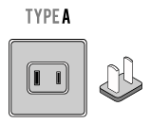
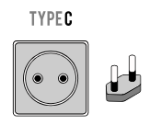
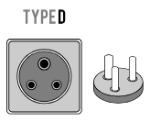
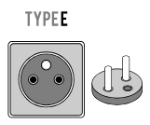
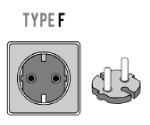
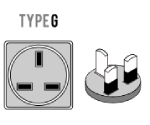
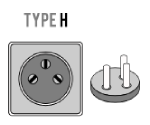
Interactive Demonstration - Most Common Middle East Plugs
Type A - North American/Japanese 2-pin
Type A electrical plug features two flat parallel blades and is the standard ungrounded plug used in North America, Central America, and Japan. This plug design dates back to 1904 and remains one of the most widely used plug types globally.

Type C - Europlug
Type C Europlug is the most widely used international plug type, featuring two round pins. This ungrounded plug is designed for devices requiring 2.5 amps or less and fits in any socket that accepts 4.0-4.8mm round pin plugs with 19mm spacing.

🌍 Real-World Usage Patterns Across Middle East
Colonial history and trade relationships shaped Middle East's electrical landscape. Here's the practical reality of what plugs you'll actually encounter:
Type G
10 countriesType D
4 countriesType C
3 countriesType H
1 countriesColonial & Historical Influences
Overview
Middle Eastern electrical systems reflect British colonial influence (Type G in Gulf states), unique national development (Israel's Type H), and European connections (Type C/F in Turkey and Iran). Oil wealth has created excellent infrastructure in some countries while conflicts have damaged systems in others.
Recommended Adapter
Universal adapter essential due to Type diversity: H (Israel), G (Gulf states), C/F (Turkey/Iran), mixed systems in other countries. No single adapter covers the entire region.
⚡ Voltage Warning
Generally 220-240V across region except some older installations. Power quality varies significantly between oil-rich and conflict-affected countries.
Transportation & Power Access
🚂 Trains
Limited rail networks with power outlets mainly in Israel, Turkey, and Iran. Gulf states developing rail with modern amenities.
🚌 Buses
Modern buses in developed countries offer USB charging. Rural/older buses typically lack power options.
✈️ Airports
Major airports provide international charging stations. Secondary airports may have limited outlet types.
🏨 Hotels
International hotels provide adapters, especially in business centers like Dubai. Local hotels vary significantly.
All Middle East Countries
| Country | Plug Types | Voltage | Frequency | Description |
|---|---|---|---|---|
 Bahrain Bahrain | Type G | 230V | 50Hz | Bahrain uses Type G electrical outlets with 230V at 50Hz frequency. British-style three-pin system with built-in fuses for enhanced safety. Distinctive rectangular pins require specific adapters. |
 Iran Iran | Type C, Type F | 220V | 50Hz | Iran uses Type C, Type F electrical outlets with 220V at 50Hz frequency. European standard system compatible with most continental European devices. Widely adopted for international compatibility. |
 Iraq Iraq | Type D, Type G | 230V | 50Hz | Iraq uses Type D, Type G electrical outlets with 230V at 50Hz frequency. British-style three-pin system with built-in fuses for enhanced safety. Distinctive rectangular pins require specific adapters. |
 Israel Israel | Type H | 230V | 50Hz | Israel uses Type H electrical outlets with 230V at 50Hz frequency. Regional electrical standard requiring specific adapters for international travelers. Check device compatibility before travel. |
 Jordan Jordan | Type G, Type C, Type D | 230V | 50Hz | Jordan uses Type G, Type C, Type D electrical outlets with 230V at 50Hz frequency. British-style three-pin system with built-in fuses for enhanced safety. Distinctive rectangular pins require specific adapters. |
 Kuwait Kuwait | Type G | 240V | 50Hz | Kuwait uses Type G electrical outlets with 240V at 50Hz frequency. British-style three-pin system with built-in fuses for enhanced safety. Distinctive rectangular pins require specific adapters. |
 Lebanon Lebanon | Type D, Type G, Type A | 220V | 50Hz | Lebanon uses Type D, Type G, Type A electrical outlets with 220V at 50Hz frequency. British-style three-pin system with built-in fuses for enhanced safety. Distinctive rectangular pins require specific adapters. |
 Oman Oman | Type G | 240V | 50Hz | Oman uses Type G electrical outlets with 240V at 50Hz frequency. British-style three-pin system with built-in fuses for enhanced safety. Distinctive rectangular pins require specific adapters. |
 Qatar Qatar | Type G | 240V | 50Hz | Qatar uses Type G electrical outlets with 240V at 50Hz frequency. British-style three-pin system with built-in fuses for enhanced safety. Distinctive rectangular pins require specific adapters. |
 Saudi Arabia Saudi Arabia | Type G | 220V | 60Hz | Saudi Arabia uses Type G electrical outlets with 220V at 60Hz frequency. British-style three-pin system with built-in fuses for enhanced safety. Distinctive rectangular pins require specific adapters. |
 Syria Syria | Type C, Type E | 220V | 50Hz | Syria uses Type C, Type E electrical outlets with 220V at 50Hz frequency. European standard system compatible with most continental European devices. Widely adopted for international compatibility. |
 United Arab Emirates United Arab Emirates | Type G | 220V | 50Hz | United Arab Emirates uses Type G electrical outlets with 220V at 50Hz frequency. British-style three-pin system with built-in fuses for enhanced safety. Distinctive rectangular pins require specific adapters. |
 Yemen Yemen | Type D, Type A, Type G | 220V | 50Hz | Yemen uses Type D, Type A, Type G electrical outlets with 220V at 50Hz frequency. British-style three-pin system with built-in fuses for enhanced safety. Distinctive rectangular pins require specific adapters. |
Frequently Asked Questions
Why does Israel use different plugs from surrounding countries?
Israel developed the Type H plug system for safety and national standardization when establishing electrical infrastructure post-1948. The three-pin Y-shaped design was chosen for safety and to create a unique national standard different from neighboring Arab countries.
Do Gulf states have reliable electricity?
Yes - oil-rich Gulf states (UAE, Saudi Arabia, Qatar, Kuwait) have excellent electrical infrastructure with minimal outages. They've invested heavily in modern power generation and distribution to support air conditioning in extreme heat.
What challenges exist for electrical systems in the Middle East?
Extreme heat stresses equipment and creates massive cooling demand. Political conflicts damage infrastructure in some countries. Sandstorms affect transmission lines. Economic sanctions limit equipment imports in some regions.
Are there cultural considerations for electricity use in the Middle East?
Yes - prayer times create predictable demand patterns. Ramadan shifts electrical usage to nighttime hours. Friday prayers affect peak demand timing. Air conditioning is often considered essential, not luxury, due to extreme heat.
What about renewable energy in the Middle East?
Despite oil wealth, Middle Eastern countries are rapidly investing in solar power due to abundant sunshine. UAE, Saudi Arabia, and Morocco lead regional solar development. Israel is a global leader in solar technology innovation.
Did You Know?
💡 The UAE has one of the world's highest per-capita electricity consumption rates due to intensive air conditioning use
💡 Israel generates about 90% of its domestic hot water from solar thermal systems - among the highest globally
💡 Saudi Arabia is building one of the world's largest solar power projects as part of Vision 2030 diversification
💡 Iran has significant electricity trade with neighboring countries, both importing and exporting power
💡 Dubai's Burj Khalifa has its own dedicated power station to meet the skyscraper's enormous electricity needs
💡 Iraq's electrical infrastructure was severely damaged during conflicts and still faces regular nationwide blackouts
Electrical History
British mandate periods established Type G systems in many Gulf states. Israel developed Type H for safety and uniqueness. Turkey maintains European connections through Type C/F systems. Iran combines European standards with unique local requirements.
Cultural Context
Middle Eastern electrical usage patterns reflect extreme climate (massive cooling needs), economic disparities (oil-rich vs. developing countries), and cultural factors (prayer times affecting peak demand patterns).
Seasonal Considerations
Extreme summer heat creates massive cooling demand, straining electrical systems. Winter heating minimal except in northern regions (Turkey, Iran). Sandstorms can affect power transmission.
Countries Grouped by Plug Type
Type G (6 countries)
Type C, Type F (1 countries)
Type D, Type G (1 countries)
Type H (1 countries)
Type G, Type C, Type D (1 countries)
Type D, Type G, Type A (1 countries)
Type C, Type E (1 countries)
Type D, Type A, Type G (1 countries)
Middle East Travel Summary
Key Facts
- • 13 countries across Middle East
- • 7 plug types in use: A, C, D, E, F, G, H
- • Voltage range: 220V - 240V
- • Frequency: 50Hz (60Hz in some regions)
Travel Recommendation
Universal adapter essential due to Type diversity: H (Israel), G (Gulf states), C/F (Turkey/Iran), mixed systems in other countries. No single adapter covers the entire region.⚡ Generally 220-240V across region except some older installations. Power quality varies significantly between oil-rich and conflict-affected countries.