Europe Electric Plug Types
Planning a European adventure requires understanding the continent's unique electrical landscape, where centuries of innovation have created a fascinating patchwork of plug standards.
From the universal Europlug (Type C) that works across most of continental Europe to the UK's distinctive three-pin Type G system, navigating Europe's power outlets can be surprisingly complex.
While the European Union has harmonized many standards with most countries operating at 230V/50Hz, the plug types themselves remain diverse, with seven different standards in use across 44 countries.
Understanding which adapter you'll need – and where you'll need it – is essential for keeping your devices charged as you explore everything from Nordic fjords to Mediterranean beaches.
Interactive Europe Map
Plug Types Used in Europe
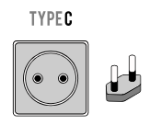
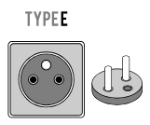
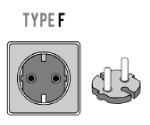
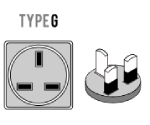
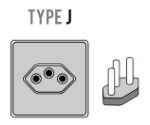
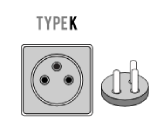
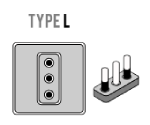
Interactive Demonstration - Most Common Europe Plugs
Type C - Europlug
Type C Europlug is the most widely used international plug type, featuring two round pins. This ungrounded plug is designed for devices requiring 2.5 amps or less and fits in any socket that accepts 4.0-4.8mm round pin plugs with 19mm spacing.

Type E - French
Type E electrical plug is the French standard featuring two round pins plus a hole for the socket's protruding male grounding pin. This design provides reliable grounding through a pin that emerges from the socket rather than the plug.

🌍 Real-World Usage Patterns Across Europe
Colonial history and trade relationships shaped Europe's electrical landscape. Here's the practical reality of what plugs you'll actually encounter:
Type F
35 countriesType G
4 countriesType E
3 countriesType J
2 countriesColonial & Historical Influences
🇪🇺 European standardization created the Europlug (Type C) for universal compatibility, while national systems like German Schuko (Type F) and British Type G reflect distinct engineering philosophies. The UK's unique system stems from post-WWII safety requirements.
Overview
Europe represents one of the most standardized electrical regions globally, thanks to EU harmonization efforts. The Europlug (Type C) works across most countries, while the German Schuko system (Type F) dominates central and eastern Europe. The notable exception is the UK and Ireland, which maintain their distinctive three-pin Type G system.
Recommended Adapter
Universal Type C/E/F adapter covers 95% of continental Europe. Separate Type G adapter needed for UK/Ireland travel.
⚡ Voltage Warning
All European countries use 220-240V except some older installations. North American devices need voltage converters.
Transportation & Power Access
🚂 Trains
European trains commonly have power outlets - Type C/F on continental railways, Type G on UK trains.
🚌 Buses
Long-distance buses increasingly offer USB charging. Power outlets rare except on premium services.
✈️ Airports
Major airports provide international power stations with multiple outlet types.
🏨 Hotels
Business hotels typically provide adapter lending services. Youth hostels may have shared charging areas.
All Europe Countries
| Country | Plug Types | Voltage | Frequency | Description |
|---|---|---|---|---|
 Albania Albania | Type F, Type C | 230V | 50Hz | Albania uses Type F, Type C electrical outlets with 230V at 50Hz frequency. European standard system compatible with most continental European devices. Widely adopted for international compatibility. |
 Austria Austria | Type F, Type C | 230V | 50Hz | Austria uses Type F, Type C electrical outlets with 230V at 50Hz frequency. European standard system compatible with most continental European devices. Widely adopted for international compatibility. |
 Belarus Belarus | Type F, Type C | 220V | 50Hz | Belarus uses Type F, Type C electrical outlets with 220V at 50Hz frequency. European standard system compatible with most continental European devices. Widely adopted for international compatibility. |
 Belgium Belgium | Type E, Type C | 230V | 50Hz | Belgium uses Type E, Type C electrical outlets with 230V at 50Hz frequency. European standard system compatible with most continental European devices. Widely adopted for international compatibility. |
 Bosnia and Herzegovina Bosnia and Herzegovina | Type F, Type C | 230V | 50Hz | Bosnia and Herzegovina uses Type F, Type C electrical outlets with 230V at 50Hz frequency. European standard system compatible with most continental European devices. Widely adopted for international compatibility. |
 Bulgaria Bulgaria | Type F, Type C | 230V | 50Hz | Bulgaria uses Type F, Type C electrical outlets with 230V at 50Hz frequency. European standard system compatible with most continental European devices. Widely adopted for international compatibility. |
 Croatia Croatia | Type F, Type C | 230V | 50Hz | Croatia uses Type F, Type C electrical outlets with 230V at 50Hz frequency. European standard system compatible with most continental European devices. Widely adopted for international compatibility. |
 Cyprus Cyprus | Type G | 240V | 50Hz | Cyprus uses Type G electrical outlets with 240V at 50Hz frequency. British-style three-pin system with built-in fuses for enhanced safety. Distinctive rectangular pins require specific adapters. |
 Czech Republic Czech Republic | Type F, Type C | 230V | 50Hz | Czech Republic uses Type F, Type C electrical outlets with 230V at 50Hz frequency. European standard system compatible with most continental European devices. Widely adopted for international compatibility. |
 Denmark Denmark | Type K, Type C, Type F | 230V | 50Hz | Denmark uses Type K, Type C, Type F electrical outlets with 230V at 50Hz frequency. European standard system compatible with most continental European devices. Widely adopted for international compatibility. |
 Estonia Estonia | Type F, Type C | 230V | 50Hz | Estonia uses Type F, Type C electrical outlets with 230V at 50Hz frequency. European standard system compatible with most continental European devices. Widely adopted for international compatibility. |
 Finland Finland | Type F, Type C | 230V | 50Hz | Finland uses Type F, Type C electrical outlets with 230V at 50Hz frequency. European standard system compatible with most continental European devices. Widely adopted for international compatibility. |
 France France | Type E, Type C | 230V | 50Hz | France uses Type E, Type C electrical outlets with 230V at 50Hz frequency. European standard system compatible with most continental European devices. Widely adopted for international compatibility. |
 Germany Germany | Type F, Type C | 230V | 50Hz | Germany uses Type F, Type C electrical outlets with 230V at 50Hz frequency. European standard system compatible with most continental European devices. Widely adopted for international compatibility. |
 Greece Greece | Type F, Type C | 230V | 50Hz | Greece uses Type F, Type C electrical outlets with 230V at 50Hz frequency. European standard system compatible with most continental European devices. Widely adopted for international compatibility. |
 Hungary Hungary | Type F, Type C | 230V | 50Hz | Hungary uses Type F, Type C electrical outlets with 230V at 50Hz frequency. European standard system compatible with most continental European devices. Widely adopted for international compatibility. |
 Iceland Iceland | Type F, Type C | 230V | 50Hz | Iceland uses Type F, Type C electrical outlets with 230V at 50Hz frequency. European standard system compatible with most continental European devices. Widely adopted for international compatibility. |
 Ireland Ireland | Type G | 230V | 50Hz | Ireland uses Type G electrical outlets with 230V at 50Hz frequency. British-style three-pin system with built-in fuses for enhanced safety. Distinctive rectangular pins require specific adapters. |
 Italy Italy | Type F, Type L, Type C | 230V | 50Hz | Italy uses Type F, Type L, Type C electrical outlets with 230V at 50Hz frequency. European standard system compatible with most continental European devices. Widely adopted for international compatibility. |
 Latvia Latvia | Type F, Type C | 230V | 50Hz | Latvia uses Type F, Type C electrical outlets with 230V at 50Hz frequency. European standard system compatible with most continental European devices. Widely adopted for international compatibility. |
 Liechtenstein Liechtenstein | Type J, Type C | 230V | 50Hz | Liechtenstein uses Type J, Type C electrical outlets with 230V at 50Hz frequency. European standard system compatible with most continental European devices. Widely adopted for international compatibility. |
 Lithuania Lithuania | Type F, Type C | 230V | 50Hz | Lithuania uses Type F, Type C electrical outlets with 230V at 50Hz frequency. European standard system compatible with most continental European devices. Widely adopted for international compatibility. |
 Luxembourg Luxembourg | Type F, Type C | 230V | 50Hz | Luxembourg uses Type F, Type C electrical outlets with 230V at 50Hz frequency. European standard system compatible with most continental European devices. Widely adopted for international compatibility. |
 Malta Malta | Type G | 230V | 50Hz | Malta uses Type G electrical outlets with 230V at 50Hz frequency. British-style three-pin system with built-in fuses for enhanced safety. Distinctive rectangular pins require specific adapters. |
 Moldova Moldova | Type F, Type C | 230V | 50Hz | Moldova uses Type F, Type C electrical outlets with 230V at 50Hz frequency. European standard system compatible with most continental European devices. Widely adopted for international compatibility. |
 Monaco Monaco | Type E, Type C | 230V | 50Hz | Monaco uses Type E, Type C electrical outlets with 230V at 50Hz frequency. European standard system compatible with most continental European devices. Widely adopted for international compatibility. |
 Montenegro Montenegro | Type F, Type C | 230V | 50Hz | Montenegro uses Type F, Type C electrical outlets with 230V at 50Hz frequency. European standard system compatible with most continental European devices. Widely adopted for international compatibility. |
 Netherlands Netherlands | Type F, Type C | 230V | 50Hz | Netherlands uses Type F, Type C electrical outlets with 230V at 50Hz frequency. European standard system compatible with most continental European devices. Widely adopted for international compatibility. |
 North Macedonia North Macedonia | Type F, Type C | 230V | 50Hz | North Macedonia uses Type F, Type C electrical outlets with 230V at 50Hz frequency. European standard system compatible with most continental European devices. Widely adopted for international compatibility. |
 Norway Norway | Type F, Type C | 230V | 50Hz | Norway uses Type F, Type C electrical outlets with 230V at 50Hz frequency. European standard system compatible with most continental European devices. Widely adopted for international compatibility. |
 Poland Poland | Type F, Type C | 230V | 50Hz | Poland uses Type F, Type C electrical outlets with 230V at 50Hz frequency. European standard system compatible with most continental European devices. Widely adopted for international compatibility. |
 Portugal Portugal | Type F, Type C | 230V | 50Hz | Portugal uses Type F, Type C electrical outlets with 230V at 50Hz frequency. European standard system compatible with most continental European devices. Widely adopted for international compatibility. |
 Romania Romania | Type F, Type C | 230V | 50Hz | Romania uses Type F, Type C electrical outlets with 230V at 50Hz frequency. European standard system compatible with most continental European devices. Widely adopted for international compatibility. |
 Russia Russia | Type F, Type C | 220V | 50Hz | Russia uses Type F, Type C electrical outlets with 220V at 50Hz frequency. European standard system compatible with most continental European devices. Widely adopted for international compatibility. |
 San Marino San Marino | Type F, Type L, Type C | 230V | 50Hz | San Marino uses Type F, Type L, Type C electrical outlets with 230V at 50Hz frequency. European standard system compatible with most continental European devices. Widely adopted for international compatibility. |
 Serbia Serbia | Type F, Type C | 230V | 50Hz | Serbia uses Type F, Type C electrical outlets with 230V at 50Hz frequency. European standard system compatible with most continental European devices. Widely adopted for international compatibility. |
 Slovakia Slovakia | Type F, Type C | 230V | 50Hz | Slovakia uses Type F, Type C electrical outlets with 230V at 50Hz frequency. European standard system compatible with most continental European devices. Widely adopted for international compatibility. |
 Slovenia Slovenia | Type F, Type C | 230V | 50Hz | Slovenia uses Type F, Type C electrical outlets with 230V at 50Hz frequency. European standard system compatible with most continental European devices. Widely adopted for international compatibility. |
 Spain Spain | Type F, Type C | 230V | 50Hz | Spain uses Type F, Type C electrical outlets with 230V at 50Hz frequency. European standard system compatible with most continental European devices. Widely adopted for international compatibility. |
 Sweden Sweden | Type F, Type C | 230V | 50Hz | Sweden uses Type F, Type C electrical outlets with 230V at 50Hz frequency. European standard system compatible with most continental European devices. Widely adopted for international compatibility. |
 Switzerland Switzerland | Type J, Type C | 230V | 50Hz | Switzerland uses Type J, Type C electrical outlets with 230V at 50Hz frequency. European standard system compatible with most continental European devices. Widely adopted for international compatibility. |
 Ukraine Ukraine | Type F, Type C | 230V | 50Hz | Ukraine uses Type F, Type C electrical outlets with 230V at 50Hz frequency. European standard system compatible with most continental European devices. Widely adopted for international compatibility. |
 United Kingdom United Kingdom | Type G | 230V | 50Hz | United Kingdom uses Type G electrical outlets with 230V at 50Hz frequency. British-style three-pin system with built-in fuses for enhanced safety. Distinctive rectangular pins require specific adapters. |
 Vatican City Vatican City | Type F, Type L, Type C | 230V | 50Hz | Vatican City uses Type F, Type L, Type C electrical outlets with 230V at 50Hz frequency. European standard system compatible with most continental European devices. Widely adopted for international compatibility. |
Frequently Asked Questions
Do I need different adapters for different European countries?
Most of continental Europe uses Type C (Europlug) and Type F (Schuko) systems, so one universal adapter works for multiple countries. The UK and Ireland require a separate Type G adapter. Some countries like Italy also use Type L, but Type C plugs work there too.
Why does the UK use different plugs from the rest of Europe?
The UK developed its Type G system independently, emphasizing safety with mandatory fuses in each plug and shuttered outlets. Brexit has reinforced the UK's commitment to maintaining its electrical standards separate from EU harmonization efforts.
Can I use my US electronics in Europe?
US electronics need both plug adapters and often voltage conversion. Most modern chargers are dual-voltage (110-240V), but hair dryers, curling irons, and some appliances need voltage converters to avoid damage from Europe's 230V power.
Which European countries have the most reliable electricity?
Nordic countries (Denmark, Sweden, Norway) and Germany have the most reliable grids with minimal outages. Southern European countries may experience summer brownouts during peak cooling demand. Eastern European infrastructure varies by country and region.
Do European hotels provide adapters?
Business hotels commonly lend adapters to guests, especially in tourist areas. Budget accommodations and hostels may have shared charging stations. Always bring your own adapter as hotel supplies can be limited during peak season.
Did You Know?
💡 Germany's Schuko plug was designed in 1926 and remains one of the safest electrical connector systems globally
💡 The EU has standardized many electrical regulations, but plug types remain nationally determined
💡 Norway generates 98% of its electricity from hydroelectric power, the highest percentage globally
💡 The UK's electrical system runs on 230V despite maintaining different plugs from continental Europe
💡 Switzerland uses Type J plugs exclusively but Swiss sockets accept European Type C plugs
💡 Iceland's abundant geothermal and hydroelectric power makes it one of the cheapest electricity markets in Europe
Electrical History
European electrical standards evolved from early 20th-century national systems. Germany's Schuko connector, introduced in 1926, became the continental standard. The UK maintained its fused plug system for safety reasons. EU directives have since promoted compatibility while respecting national preferences.
Cultural Context
European electrical usage reflects cultural patterns: Nordic countries have high per-capita consumption due to electric heating. Southern Europe sees peak usage during afternoon siesta cooling. Eastern Europe has modernized infrastructure post-1990s.
Seasonal Considerations
Winter heating increases electricity demand and potential voltage fluctuations. Summer air conditioning usage varies significantly between northern and southern Europe.
Countries Grouped by Plug Type
Type F, Type C (31 countries)
Type G (4 countries)
Type F, Type L, Type C (3 countries)
Type J, Type C (2 countries)
Type K, Type C, Type F (1 countries)
Europe Travel Summary
Key Facts
- • 44 countries across Europe
- • 7 plug types in use: C, E, F, G, J, K, L
- • Voltage range: 220V - 240V
- • Frequency: 50Hz (60Hz in some regions)
Travel Recommendation
Universal Type C/E/F adapter covers 95% of continental Europe. Separate Type G adapter needed for UK/Ireland travel.⚡ All European countries use 220-240V except some older installations. North American devices need voltage converters.