Asia Electric Plug Types
Asia's electrical landscape is perhaps the most complex on Earth, where ancient trade routes now carry modern travelers through a bewildering array of plug types and voltage systems.
From Japan's unique 100V system (the world's lowest) to the British colonial legacy of Type G plugs in Hong Kong and Singapore, every country tells its own electrical story shaped by history, politics, and industrial partnerships.
The continent spans 13 different plug types across 48 countries, with voltage variations from 100V to 240V, making it essential for travelers to pack not just adapters but often voltage converters too.
Whether you're exploring Tokyo's neon-lit streets, trekking through the Himalayas, or island-hopping in Southeast Asia, understanding Asia's electrical diversity is crucial for keeping your devices powered throughout your journey.
Interactive Asia Map
Plug Types Used in Asia
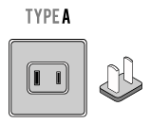
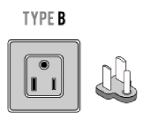
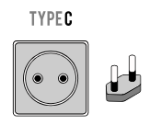
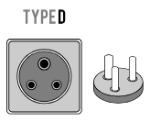
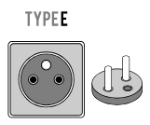
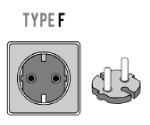
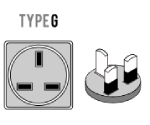
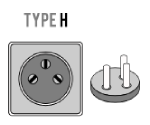
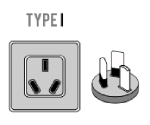
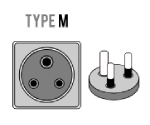

Interactive Demonstration - Most Common Asia Plugs
Type A - North American/Japanese 2-pin
Type A electrical plug features two flat parallel blades and is the standard ungrounded plug used in North America, Central America, and Japan. This plug design dates back to 1904 and remains one of the most widely used plug types globally.

Type B - North American/Japanese 3-pin grounded
Type B electrical plug is the grounded version of Type A, featuring two flat parallel blades plus a round grounding pin. This three-prong plug provides additional safety through its ground connection and is the standard grounded plug in North America.

🌍 Real-World Usage Patterns Across Asia
Colonial history and trade relationships shaped Asia's electrical landscape. Here's the practical reality of what plugs you'll actually encounter:
Type G
22 countriesType C
30 countriesType D
14 countriesType A
10 countriesColonial & Historical Influences
🌏 Asian electrical diversity reflects colonial legacies: British Type G in former colonies (Hong Kong, Singapore), Japanese influence in Korea, and American systems in the Philippines. China's mixed system accommodates both domestic and international needs.
Overview
Asian electrical systems reflect complex historical influences: British colonial areas use Type G, Japanese-influenced regions use Type A/B, European colonial areas use Type C/F, while major powers like China and India developed unique mixed systems.
Recommended Adapter
Universal adapter essential - no single adapter covers all Asian countries. Priority types: A/B (East Asia), C (widespread), G (former British colonies), D/M (India region).
⚡ Voltage Warning
Extreme voltage diversity: Japan 100V, most others 220-240V. Always check device compatibility and consider voltage converters.
Transportation & Power Access
🚂 Trains
High-speed trains (Japan, China, South Korea) have power outlets. Indian trains increasingly add charging points. Southeast Asian trains vary widely.
🚌 Buses
Modern buses in developed countries offer USB charging. Rural/budget transport typically lacks power options.
✈️ Airports
Major airports provide international charging stations. Secondary airports may have limited outlet types.
🏨 Hotels
International hotels provide universal adapters. Local hotels vary significantly by country and price level.
All Asia Countries
| Country | Plug Types | Voltage | Frequency | Description |
|---|---|---|---|---|
 Afghanistan Afghanistan | Type C, Type F | 220V | 50Hz | Afghanistan uses Type C, Type F electrical outlets with 220V at 50Hz frequency. European standard system compatible with most continental European devices. Widely adopted for international compatibility. |
 Armenia Armenia | Type F, Type C | 230V | 50Hz | Armenia uses Type F, Type C electrical outlets with 230V at 50Hz frequency. European standard system compatible with most continental European devices. Widely adopted for international compatibility. |
 Azerbaijan Azerbaijan | Type F, Type C | 220V | 50Hz | Azerbaijan uses Type F, Type C electrical outlets with 220V at 50Hz frequency. European standard system compatible with most continental European devices. Widely adopted for international compatibility. |
 Bahrain Bahrain | Type G | 230V | 50Hz | Bahrain uses Type G electrical outlets with 230V at 50Hz frequency. British-style three-pin system with built-in fuses for enhanced safety. Distinctive rectangular pins require specific adapters. |
 Bangladesh Bangladesh | Type G, Type C, Type D | 220V | 50Hz | Bangladesh uses Type G, Type C, Type D electrical outlets with 220V at 50Hz frequency. British-style three-pin system with built-in fuses for enhanced safety. Distinctive rectangular pins require specific adapters. |
 Bhutan Bhutan | Type D, Type C, Type G | 230V | 50Hz | Bhutan uses Type D, Type C, Type G electrical outlets with 230V at 50Hz frequency. British-style three-pin system with built-in fuses for enhanced safety. Distinctive rectangular pins require specific adapters. |
 Brunei Brunei | Type G | 240V | 50Hz | Brunei uses Type G electrical outlets with 240V at 50Hz frequency. British-style three-pin system with built-in fuses for enhanced safety. Distinctive rectangular pins require specific adapters. |
 Cambodia Cambodia | Type A, Type C, Type G | 230V | 50Hz | Cambodia uses Type A, Type C, Type G electrical outlets with 230V at 50Hz frequency. British-style three-pin system with built-in fuses for enhanced safety. Distinctive rectangular pins require specific adapters. |
 China China | Type A, Type I, Type C | 220V | 50Hz | China uses Type A, Type I, Type C electrical outlets with 220V at 50Hz frequency. Australian/New Zealand standard with angled pins for secure connection. Unique design prevents accidental disconnection. |
 Georgia Georgia | Type F, Type C | 220V | 50Hz | Georgia uses Type F, Type C electrical outlets with 220V at 50Hz frequency. European standard system compatible with most continental European devices. Widely adopted for international compatibility. |
 Hong Kong Hong Kong | Type G | 220V | 50Hz | Hong Kong uses Type G electrical outlets with 220V at 50Hz frequency. British-style three-pin system with built-in fuses for enhanced safety. Distinctive rectangular pins require specific adapters. |
 India India | Type D, Type M, Type C | 230V | 50Hz | India uses Type D, Type M, Type C electrical outlets with 230V at 50Hz frequency. European standard system compatible with most continental European devices. Widely adopted for international compatibility. |
 Indonesia Indonesia | Type C, Type F | 220V | 50Hz | Indonesia uses Type C, Type F electrical outlets with 220V at 50Hz frequency. European standard system compatible with most continental European devices. Widely adopted for international compatibility. |
 Iran Iran | Type C, Type F | 220V | 50Hz | Iran uses Type C, Type F electrical outlets with 220V at 50Hz frequency. European standard system compatible with most continental European devices. Widely adopted for international compatibility. |
 Iraq Iraq | Type D, Type G | 230V | 50Hz | Iraq uses Type D, Type G electrical outlets with 230V at 50Hz frequency. British-style three-pin system with built-in fuses for enhanced safety. Distinctive rectangular pins require specific adapters. |
 Israel Israel | Type H | 230V | 50Hz | Israel uses Type H electrical outlets with 230V at 50Hz frequency. Regional electrical standard requiring specific adapters for international travelers. Check device compatibility before travel. |
 Japan Japan | Type A, Type B | 100V | 50Hz | Japan uses Type A, Type B electrical outlets with 100V at 50Hz frequency. Standard North American electrical system with grounded and ungrounded outlets. Most modern electronics work without adapters. |
 Jordan Jordan | Type G, Type C, Type D | 230V | 50Hz | Jordan uses Type G, Type C, Type D electrical outlets with 230V at 50Hz frequency. British-style three-pin system with built-in fuses for enhanced safety. Distinctive rectangular pins require specific adapters. |
 Kazakhstan Kazakhstan | Type F, Type C | 220V | 50Hz | Kazakhstan uses Type F, Type C electrical outlets with 220V at 50Hz frequency. European standard system compatible with most continental European devices. Widely adopted for international compatibility. |
 Kuwait Kuwait | Type G | 240V | 50Hz | Kuwait uses Type G electrical outlets with 240V at 50Hz frequency. British-style three-pin system with built-in fuses for enhanced safety. Distinctive rectangular pins require specific adapters. |
 Kyrgyzstan Kyrgyzstan | Type C, Type F | 220V | 50Hz | Kyrgyzstan uses Type C, Type F electrical outlets with 220V at 50Hz frequency. European standard system compatible with most continental European devices. Widely adopted for international compatibility. |
 Laos Laos | Type A, Type B, Type C | 230V | 50Hz | Laos uses Type A, Type B, Type C electrical outlets with 230V at 50Hz frequency. Standard North American electrical system with grounded and ungrounded outlets. Most modern electronics work without adapters. |
 Lebanon Lebanon | Type D, Type G, Type A | 220V | 50Hz | Lebanon uses Type D, Type G, Type A electrical outlets with 220V at 50Hz frequency. British-style three-pin system with built-in fuses for enhanced safety. Distinctive rectangular pins require specific adapters. |
 Macao Macao | Type G, Type D | 220V | 50Hz | Macao uses Type G, Type D electrical outlets with 220V at 50Hz frequency. British-style three-pin system with built-in fuses for enhanced safety. Distinctive rectangular pins require specific adapters. |
 Malaysia Malaysia | Type G | 240V | 50Hz | Malaysia uses Type G electrical outlets with 240V at 50Hz frequency. British-style three-pin system with built-in fuses for enhanced safety. Distinctive rectangular pins require specific adapters. |
 Maldives Maldives | Type D, Type G | 230V | 50Hz | Maldives uses Type D, Type G electrical outlets with 230V at 50Hz frequency. British-style three-pin system with built-in fuses for enhanced safety. Distinctive rectangular pins require specific adapters. |
 Mongolia Mongolia | Type C, Type E | 220V | 50Hz | Mongolia uses Type C, Type E electrical outlets with 220V at 50Hz frequency. European standard system compatible with most continental European devices. Widely adopted for international compatibility. |
 Myanmar Myanmar | Type D, Type G, Type C | 230V | 50Hz | Myanmar uses Type D, Type G, Type C electrical outlets with 230V at 50Hz frequency. British-style three-pin system with built-in fuses for enhanced safety. Distinctive rectangular pins require specific adapters. |
 Nepal Nepal | Type D, Type C | 230V | 50Hz | Nepal uses Type D, Type C electrical outlets with 230V at 50Hz frequency. European standard system compatible with most continental European devices. Widely adopted for international compatibility. |
 North Korea North Korea | Type C, Type F | 220V | 50Hz | North Korea uses Type C, Type F electrical outlets with 220V at 50Hz frequency. European standard system compatible with most continental European devices. Widely adopted for international compatibility. |
 Oman Oman | Type G | 240V | 50Hz | Oman uses Type G electrical outlets with 240V at 50Hz frequency. British-style three-pin system with built-in fuses for enhanced safety. Distinctive rectangular pins require specific adapters. |
 Pakistan Pakistan | Type D, Type G | 230V | 50Hz | Pakistan uses Type D, Type G electrical outlets with 230V at 50Hz frequency. British-style three-pin system with built-in fuses for enhanced safety. Distinctive rectangular pins require specific adapters. |
 Palestine Palestine | Type H, Type C | 230V | 50Hz | Palestine uses Type H, Type C electrical outlets with 230V at 50Hz frequency. European standard system compatible with most continental European devices. Widely adopted for international compatibility. |
 Philippines Philippines | Type A, Type B, Type C | 220V | 60Hz | Philippines uses Type A, Type B, Type C electrical outlets with 220V at 60Hz frequency. Standard North American electrical system with grounded and ungrounded outlets. Most modern electronics work without adapters. |
 Qatar Qatar | Type G | 240V | 50Hz | Qatar uses Type G electrical outlets with 240V at 50Hz frequency. British-style three-pin system with built-in fuses for enhanced safety. Distinctive rectangular pins require specific adapters. |
 Russia Russia | Type F, Type C | 220V | 50Hz | Russia uses Type F, Type C electrical outlets with 220V at 50Hz frequency. European standard system compatible with most continental European devices. Widely adopted for international compatibility. |
 Saudi Arabia Saudi Arabia | Type G | 220V | 60Hz | Saudi Arabia uses Type G electrical outlets with 220V at 60Hz frequency. British-style three-pin system with built-in fuses for enhanced safety. Distinctive rectangular pins require specific adapters. |
 Singapore Singapore | Type G | 230V | 50Hz | Singapore uses Type G electrical outlets with 230V at 50Hz frequency. British-style three-pin system with built-in fuses for enhanced safety. Distinctive rectangular pins require specific adapters. |
 South Korea South Korea | Type F, Type C | 220V | 60Hz | South Korea uses Type F, Type C electrical outlets with 220V at 60Hz frequency. European standard system compatible with most continental European devices. Widely adopted for international compatibility. |
 Sri Lanka Sri Lanka | Type G, Type D | 230V | 50Hz | Sri Lanka uses Type G, Type D electrical outlets with 230V at 50Hz frequency. British-style three-pin system with built-in fuses for enhanced safety. Distinctive rectangular pins require specific adapters. |
 Syria Syria | Type C, Type E | 220V | 50Hz | Syria uses Type C, Type E electrical outlets with 220V at 50Hz frequency. European standard system compatible with most continental European devices. Widely adopted for international compatibility. |
 Taiwan Taiwan | Type A, Type B | 110V | 60Hz | Taiwan uses Type A, Type B electrical outlets with 110V at 60Hz frequency. Standard North American electrical system with grounded and ungrounded outlets. Most modern electronics work without adapters. |
 Tajikistan Tajikistan | Type C, Type F | 220V | 50Hz | Tajikistan uses Type C, Type F electrical outlets with 220V at 50Hz frequency. European standard system compatible with most continental European devices. Widely adopted for international compatibility. |
 Thailand Thailand | Type A, Type B, Type C, Type O | 220V | 50Hz | Thailand uses Type A, Type B, Type C, Type O electrical outlets with 220V at 50Hz frequency. Standard North American electrical system with grounded and ungrounded outlets. Most modern electronics work without adapters. |
 Timor-Leste Timor-Leste | Type C, Type E, Type F | 220V | 50Hz | Timor-Leste uses Type C, Type E, Type F electrical outlets with 220V at 50Hz frequency. European standard system compatible with most continental European devices. Widely adopted for international compatibility. |
 Turkey Turkey | Type F, Type C | 230V | 50Hz | Turkey uses Type F, Type C electrical outlets with 230V at 50Hz frequency. European standard system compatible with most continental European devices. Widely adopted for international compatibility. |
 Turkmenistan Turkmenistan | Type B, Type F | 220V | 50Hz | Turkmenistan uses Type B, Type F electrical outlets with 220V at 50Hz frequency. European standard system compatible with most continental European devices. Widely adopted for international compatibility. |
 United Arab Emirates United Arab Emirates | Type G | 220V | 50Hz | United Arab Emirates uses Type G electrical outlets with 220V at 50Hz frequency. British-style three-pin system with built-in fuses for enhanced safety. Distinctive rectangular pins require specific adapters. |
 Uzbekistan Uzbekistan | Type C, Type F | 220V | 50Hz | Uzbekistan uses Type C, Type F electrical outlets with 220V at 50Hz frequency. European standard system compatible with most continental European devices. Widely adopted for international compatibility. |
 Vietnam Vietnam | Type A, Type C, Type D | 220V | 50Hz | Vietnam uses Type A, Type C, Type D electrical outlets with 220V at 50Hz frequency. European standard system compatible with most continental European devices. Widely adopted for international compatibility. |
 Yemen Yemen | Type D, Type A, Type G | 220V | 50Hz | Yemen uses Type D, Type A, Type G electrical outlets with 220V at 50Hz frequency. British-style three-pin system with built-in fuses for enhanced safety. Distinctive rectangular pins require specific adapters. |
Frequently Asked Questions
Why does Japan use 100V electricity?
Japan adopted 100V in the early 1900s for safety reasons, influenced by American electrical advisors. The lower voltage reduces electrocution risk but requires different transformers and appliances. Japan also uniquely uses both 50Hz (eastern regions) and 60Hz (western regions).
Which Asian countries use British-style plugs?
Former British colonies including Malaysia, Singapore, Hong Kong, India (alongside other types), Pakistan, Bangladesh, Sri Lanka, and Myanmar use Type G plugs. This reflects British colonial electrical infrastructure that remained after independence.
Is electricity reliable across Asia?
Reliability varies dramatically: Japan, South Korea, Singapore have world-class grids. China's urban areas are excellent, rural areas variable. India faces regular brownouts and voltage fluctuations. Southeast Asia varies by country and season (monsoons affect infrastructure).
What's the best travel adapter strategy for multi-country Asian travel?
Bring a high-quality universal adapter with multiple plug types plus a separate voltage converter for non-dual-voltage devices. Consider a power bank for areas with unreliable electricity. Research specific countries' plug types before departure.
Do Asian hotels provide adapters?
International chain hotels usually provide adapters, especially in business districts. Local hotels vary widely - urban areas more likely to have adapters than rural areas. Always bring your own as availability cannot be guaranteed.
Did You Know?
💡 China is the world's largest electricity producer and consumer, generating over 8,000 TWh annually
💡 Japan's electrical system is split: eastern Japan uses 50Hz, western Japan uses 60Hz - a legacy of different foreign consultants
💡 India has the world's third-largest electrical grid but still faces regular power outages in many regions
💡 Singapore has one of the world's most reliable electrical systems with 99.99% uptime
💡 South Korea generates significant electricity from nuclear power - about 30% of total production
💡 The Maldives imports all petroleum for electricity generation, making it one of the most expensive power systems globally
Electrical History
Asian electrical development followed colonial patterns and post-war industrialization. Japan adopted 100V for safety, China mixed multiple systems during rapid development, India retained British 5A/15A distinctions, Southeast Asia shows diverse colonial influences.
Cultural Context
Electrical usage patterns vary dramatically: East Asian countries have high consumption and excellent infrastructure. South Asia shows rapid electrification but variable reliability. Southeast Asia balances development with tropical cooling needs.
Seasonal Considerations
Monsoon seasons affect power reliability across South/Southeast Asia. Summer cooling demand causes brownouts in major cities. Winter heating minimal except in northern regions.
Countries Grouped by Plug Type
Type G (10 countries)
Type C, Type F (7 countries)
Type F, Type C (7 countries)
Type G, Type C, Type D (2 countries)
Type A, Type B, Type C (2 countries)
Type D, Type C, Type G (1 countries)
Type A, Type C, Type G (1 countries)
Type A, Type I, Type C (1 countries)
Type D, Type M, Type C (1 countries)
Type H (1 countries)
Type D, Type G, Type A (1 countries)
Type D, Type G, Type C (1 countries)
Type D, Type C (1 countries)
Type H, Type C (1 countries)
Type A, Type B, Type C, Type O (1 countries)
Type C, Type E, Type F (1 countries)
Type B, Type F (1 countries)
Type A, Type C, Type D (1 countries)
Type D, Type A, Type G (1 countries)
Asia Travel Summary
Key Facts
- • 51 countries across Asia
- • 11 plug types in use: A, B, C, D, E, F, G, H, I, M, O
- • Voltage range: 100V - 240V
- • Frequency: 50Hz (60Hz in some regions)
Travel Recommendation
Universal adapter essential - no single adapter covers all Asian countries. Priority types: A/B (East Asia), C (widespread), G (former British colonies), D/M (India region).⚡ Extreme voltage diversity: Japan 100V, most others 220-240V. Always check device compatibility and consider voltage converters.