Africa Electric Plug Types
Africa's electrical map reads like a history book, with each plug type telling the story of colonial influence, post-independence partnerships, and modern development challenges.
From the British Type G plugs still standard in Kenya and Nigeria to the French Type E systems across Francophone Africa, the continent's 54 countries use an astounding variety of electrical standards that can confound even experienced travelers.
South Africa stands unique with its massive Type M plugs designed for high-current applications, while many rural areas across the continent rely on solar power and generators rather than grid electricity.
Understanding Africa's electrical diversity isn't just about having the right adapter – it's about being prepared for everything from world-class infrastructure in Cape Town to off-grid adventures in the Serengeti.
Interactive Africa Map
Plug Types Used in Africa
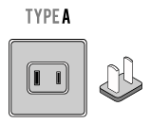
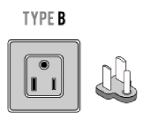
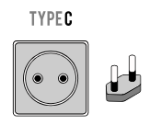
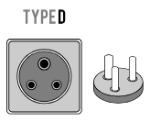
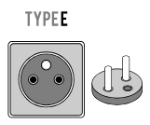
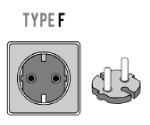
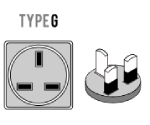
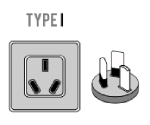
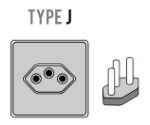
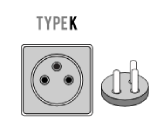
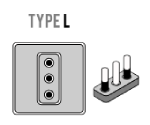
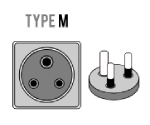
Interactive Demonstration - Most Common Africa Plugs
Type A - North American/Japanese 2-pin
Type A electrical plug features two flat parallel blades and is the standard ungrounded plug used in North America, Central America, and Japan. This plug design dates back to 1904 and remains one of the most widely used plug types globally.

Type B - North American/Japanese 3-pin grounded
Type B electrical plug is the grounded version of Type A, featuring two flat parallel blades plus a round grounding pin. This three-prong plug provides additional safety through its ground connection and is the standard grounded plug in North America.

🌍 Real-World Usage Patterns Across Africa
Colonial history and trade relationships shaped Africa's electrical landscape. Here's the practical reality of what plugs you'll actually encounter:
Type E
23 countriesType C
44 countriesType G
17 countriesType M
6 countriesColonial & Historical Influences
🌍 African plug types directly mirror colonial history: British Type G in former British colonies, French Type E in Francophone countries, and Portuguese/German influences elsewhere. South Africa's Type M dominates the southern region.
Overview
African electrical systems directly reflect colonial histories: British areas use Type G, French regions use Type E, Portuguese areas use Type C/F, while South Africa developed its own Type M system. Infrastructure quality varies dramatically between countries and regions.
Recommended Adapter
Universal adapter essential - Africa uses more plug types than any other continent. Priority types: G (British areas), E (French areas), C/F (mixed), M (South Africa), D (some regions).
⚡ Voltage Warning
220-240V standard except some remote areas. Power quality varies significantly - surge protectors recommended for electronics.
Transportation & Power Access
🚂 Trains
Limited rail networks with few power outlets except South African premium services and some North African routes.
🚌 Buses
Power outlets rare except premium international services. USB charging increasingly common on newer vehicles.
✈️ Airports
Major airports have international charging stations. Smaller airports may have limited outlet types.
🏨 Hotels
International hotels in major cities provide adapters. Rural accommodations typically lack adapter services.
All Africa Countries
| Country | Plug Types | Voltage | Frequency | Description |
|---|---|---|---|---|
 Algeria Algeria | Type F, Type C | 230V | 50Hz | Algeria uses Type F, Type C electrical outlets with 230V at 50Hz frequency. European standard system compatible with most continental European devices. Widely adopted for international compatibility. |
 Benin Benin | Type E, Type C | 220V | 50Hz | Benin uses Type E, Type C electrical outlets with 220V at 50Hz frequency. European standard system compatible with most continental European devices. Widely adopted for international compatibility. |
 Botswana Botswana | Type D, Type G, Type M | 230V | 50Hz | Botswana uses Type D, Type G, Type M electrical outlets with 230V at 50Hz frequency. British-style three-pin system with built-in fuses for enhanced safety. Distinctive rectangular pins require specific adapters. |
 Burkina Faso Burkina Faso | Type E, Type C | 220V | 50Hz | Burkina Faso uses Type E, Type C electrical outlets with 220V at 50Hz frequency. European standard system compatible with most continental European devices. Widely adopted for international compatibility. |
 Burundi Burundi | Type C, Type E | 220V | 50Hz | Burundi uses Type C, Type E electrical outlets with 220V at 50Hz frequency. European standard system compatible with most continental European devices. Widely adopted for international compatibility. |
 Cabo Verde Cabo Verde | Type F, Type C | 220V | 50Hz | Cabo Verde uses Type F, Type C electrical outlets with 220V at 50Hz frequency. European standard system compatible with most continental European devices. Widely adopted for international compatibility. |
 Cameroon Cameroon | Type E, Type C | 220V | 50Hz | Cameroon uses Type E, Type C electrical outlets with 220V at 50Hz frequency. European standard system compatible with most continental European devices. Widely adopted for international compatibility. |
 Central African Republic Central African Republic | Type E, Type C | 220V | 50Hz | Central African Republic uses Type E, Type C electrical outlets with 220V at 50Hz frequency. European standard system compatible with most continental European devices. Widely adopted for international compatibility. |
 Chad Chad | Type E, Type C | 220V | 50Hz | Chad uses Type E, Type C electrical outlets with 220V at 50Hz frequency. European standard system compatible with most continental European devices. Widely adopted for international compatibility. |
 Comoros Comoros | Type E, Type C | 220V | 50Hz | Comoros uses Type E, Type C electrical outlets with 220V at 50Hz frequency. European standard system compatible with most continental European devices. Widely adopted for international compatibility. |
 Congo Congo | Type E, Type C | 220V | 50Hz | Congo uses Type E, Type C electrical outlets with 220V at 50Hz frequency. European standard system compatible with most continental European devices. Widely adopted for international compatibility. |
 Côte d'Ivoire Côte d'Ivoire | Type E, Type C | 220V | 50Hz | Côte d'Ivoire uses Type E, Type C electrical outlets with 220V at 50Hz frequency. European standard system compatible with most continental European devices. Widely adopted for international compatibility. |
 Democratic Republic of the Congo Democratic Republic of the Congo | Type C, Type E | 220V | 50Hz | Democratic Republic of the Congo uses Type C, Type E electrical outlets with 220V at 50Hz frequency. European standard system compatible with most continental European devices. Widely adopted for international compatibility. |
 Djibouti Djibouti | Type E, Type C | 220V | 50Hz | Djibouti uses Type E, Type C electrical outlets with 220V at 50Hz frequency. European standard system compatible with most continental European devices. Widely adopted for international compatibility. |
 Egypt Egypt | Type C, Type F | 220V | 50Hz | Egypt uses Type C, Type F electrical outlets with 220V at 50Hz frequency. European standard system compatible with most continental European devices. Widely adopted for international compatibility. |
 Equatorial Guinea Equatorial Guinea | Type E, Type C | 220V | 50Hz | Equatorial Guinea uses Type E, Type C electrical outlets with 220V at 50Hz frequency. European standard system compatible with most continental European devices. Widely adopted for international compatibility. |
 Eritrea Eritrea | Type C, Type L | 230V | 50Hz | Eritrea uses Type C, Type L electrical outlets with 230V at 50Hz frequency. European standard system compatible with most continental European devices. Widely adopted for international compatibility. |
 Eswatini Eswatini | Type M, Type D | 230V | 50Hz | Eswatini uses Type M, Type D electrical outlets with 230V at 50Hz frequency. Three-pin system common in former British colonies. Larger Type M for high-power appliances, Type D for general use. |
 Ethiopia Ethiopia | Type C, Type F | 220V | 50Hz | Ethiopia uses Type C, Type F electrical outlets with 220V at 50Hz frequency. European standard system compatible with most continental European devices. Widely adopted for international compatibility. |
 Gabon Gabon | Type C | 220V | 50Hz | Gabon uses Type C electrical outlets with 220V at 50Hz frequency. European standard system compatible with most continental European devices. Widely adopted for international compatibility. |
 Gambia Gambia | Type G | 230V | 50Hz | Gambia uses Type G electrical outlets with 230V at 50Hz frequency. British-style three-pin system with built-in fuses for enhanced safety. Distinctive rectangular pins require specific adapters. |
 Ghana Ghana | Type G, Type D | 230V | 50Hz | Ghana uses Type G, Type D electrical outlets with 230V at 50Hz frequency. British-style three-pin system with built-in fuses for enhanced safety. Distinctive rectangular pins require specific adapters. |
 Greenland Greenland | Type K, Type C | 230V | 50Hz | Greenland uses Type K, Type C electrical outlets with 230V at 50Hz frequency. European standard system compatible with most continental European devices. Widely adopted for international compatibility. |
 Guinea Guinea | Type E, Type C | 220V | 50Hz | Guinea uses Type E, Type C electrical outlets with 220V at 50Hz frequency. European standard system compatible with most continental European devices. Widely adopted for international compatibility. |
 Guinea-Bissau Guinea-Bissau | Type C | 220V | 50Hz | Guinea-Bissau uses Type C electrical outlets with 220V at 50Hz frequency. European standard system compatible with most continental European devices. Widely adopted for international compatibility. |
 Isle of Man Isle of Man | Type G | 240V | 50Hz | Isle of Man uses Type G electrical outlets with 240V at 50Hz frequency. British-style three-pin system with built-in fuses for enhanced safety. Distinctive rectangular pins require specific adapters. |
 Jersey Jersey | Type G | 230V | 50Hz | Jersey uses Type G electrical outlets with 230V at 50Hz frequency. British-style three-pin system with built-in fuses for enhanced safety. Distinctive rectangular pins require specific adapters. |
 Kenya Kenya | Type G | 240V | 50Hz | Kenya uses Type G electrical outlets with 240V at 50Hz frequency. British-style three-pin system with built-in fuses for enhanced safety. Distinctive rectangular pins require specific adapters. |
 Lesotho Lesotho | Type M | 220V | 50Hz | Lesotho uses Type M electrical outlets with 220V at 50Hz frequency. Three-pin system common in former British colonies. Larger Type M for high-power appliances, Type D for general use. |
 Liberia Liberia | Type B, Type A | 120V | 60Hz | Liberia uses Type B, Type A electrical outlets with 120V at 60Hz frequency. Standard North American electrical system with grounded and ungrounded outlets. Most modern electronics work without adapters. |
 Libya Libya | Type D, Type C | 127V | 50Hz | Libya uses Type D, Type C electrical outlets with 127V at 50Hz frequency. European standard system compatible with most continental European devices. Widely adopted for international compatibility. |
 Madagascar Madagascar | Type C, Type E | 220V | 50Hz | Madagascar uses Type C, Type E electrical outlets with 220V at 50Hz frequency. European standard system compatible with most continental European devices. Widely adopted for international compatibility. |
 Malawi Malawi | Type G | 230V | 50Hz | Malawi uses Type G electrical outlets with 230V at 50Hz frequency. British-style three-pin system with built-in fuses for enhanced safety. Distinctive rectangular pins require specific adapters. |
 Mali Mali | Type E, Type C | 220V | 50Hz | Mali uses Type E, Type C electrical outlets with 220V at 50Hz frequency. European standard system compatible with most continental European devices. Widely adopted for international compatibility. |
 Mauritania Mauritania | Type C | 220V | 50Hz | Mauritania uses Type C electrical outlets with 220V at 50Hz frequency. European standard system compatible with most continental European devices. Widely adopted for international compatibility. |
 Mauritius Mauritius | Type G, Type C | 230V | 50Hz | Mauritius uses Type G, Type C electrical outlets with 230V at 50Hz frequency. British-style three-pin system with built-in fuses for enhanced safety. Distinctive rectangular pins require specific adapters. |
 Morocco Morocco | Type E, Type C | 220V | 50Hz | Morocco uses Type E, Type C electrical outlets with 220V at 50Hz frequency. European standard system compatible with most continental European devices. Widely adopted for international compatibility. |
 Mozambique Mozambique | Type C, Type F, Type M | 220V | 50Hz | Mozambique uses Type C, Type F, Type M electrical outlets with 220V at 50Hz frequency. European standard system compatible with most continental European devices. Widely adopted for international compatibility. |
 Namibia Namibia | Type M | 220V | 50Hz | Namibia uses Type M electrical outlets with 220V at 50Hz frequency. Three-pin system common in former British colonies. Larger Type M for high-power appliances, Type D for general use. |
 Niger Niger | Type E, Type C | 220V | 50Hz | Niger uses Type E, Type C electrical outlets with 220V at 50Hz frequency. European standard system compatible with most continental European devices. Widely adopted for international compatibility. |
 Nigeria Nigeria | Type G, Type D | 230V | 50Hz | Nigeria uses Type G, Type D electrical outlets with 230V at 50Hz frequency. British-style three-pin system with built-in fuses for enhanced safety. Distinctive rectangular pins require specific adapters. |
 Norfolk Island Norfolk Island | Type I | 240V | 50Hz | Norfolk Island uses Type I electrical outlets with 240V at 50Hz frequency. Australian/New Zealand standard with angled pins for secure connection. Unique design prevents accidental disconnection. |
 Pitcairn Islands Pitcairn Islands | Type I | 230V | 50Hz | Pitcairn Islands uses Type I electrical outlets with 230V at 50Hz frequency. Australian/New Zealand standard with angled pins for secure connection. Unique design prevents accidental disconnection. |
 Puerto Rico Puerto Rico | Type B, Type A | 120V | 60Hz | Puerto Rico uses Type B, Type A electrical outlets with 120V at 60Hz frequency. Standard North American electrical system with grounded and ungrounded outlets. Most modern electronics work without adapters. |
 Rwanda Rwanda | Type C, Type J | 230V | 50Hz | Rwanda uses Type C, Type J electrical outlets with 230V at 50Hz frequency. European standard system compatible with most continental European devices. Widely adopted for international compatibility. |
 Saint Barthélemy Saint Barthélemy | Type E, Type C | 230V | 60Hz | Saint Barthélemy uses Type E, Type C electrical outlets with 230V at 60Hz frequency. European standard system compatible with most continental European devices. Widely adopted for international compatibility. |
 Saint Helena Saint Helena | Type G | 240V | 50Hz | Saint Helena uses Type G electrical outlets with 240V at 50Hz frequency. British-style three-pin system with built-in fuses for enhanced safety. Distinctive rectangular pins require specific adapters. |
 Saint Martin Saint Martin | Type E, Type C | 220V | 60Hz | Saint Martin uses Type E, Type C electrical outlets with 220V at 60Hz frequency. European standard system compatible with most continental European devices. Widely adopted for international compatibility. |
 Saint Pierre and Miquelon Saint Pierre and Miquelon | Type E | 230V | 50Hz | Saint Pierre and Miquelon uses Type E electrical outlets with 230V at 50Hz frequency. Regional electrical standard requiring specific adapters for international travelers. Check device compatibility before travel. |
 São Tomé and Príncipe São Tomé and Príncipe | Type C, Type F | 220V | 50Hz | São Tomé and Príncipe uses Type C, Type F electrical outlets with 220V at 50Hz frequency. European standard system compatible with most continental European devices. Widely adopted for international compatibility. |
 Senegal Senegal | Type E, Type C | 230V | 50Hz | Senegal uses Type E, Type C electrical outlets with 230V at 50Hz frequency. European standard system compatible with most continental European devices. Widely adopted for international compatibility. |
 Seychelles Seychelles | Type G | 240V | 50Hz | Seychelles uses Type G electrical outlets with 240V at 50Hz frequency. British-style three-pin system with built-in fuses for enhanced safety. Distinctive rectangular pins require specific adapters. |
 Sierra Leone Sierra Leone | Type G, Type D | 230V | 50Hz | Sierra Leone uses Type G, Type D electrical outlets with 230V at 50Hz frequency. British-style three-pin system with built-in fuses for enhanced safety. Distinctive rectangular pins require specific adapters. |
 Sint Maarten Sint Maarten | Type A, Type B | 110V | 60Hz | Sint Maarten uses Type A, Type B electrical outlets with 110V at 60Hz frequency. Standard North American electrical system with grounded and ungrounded outlets. Most modern electronics work without adapters. |
 Somalia Somalia | Type C | 220V | 50Hz | Somalia uses Type C electrical outlets with 220V at 50Hz frequency. European standard system compatible with most continental European devices. Widely adopted for international compatibility. |
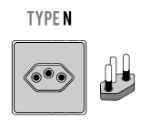
 South Africa South Africa | Type M, Type C, Type N | 230V | 50Hz | South Africa uses Type M, Type C, Type N electrical outlets with 230V at 50Hz frequency. European standard system compatible with most continental European devices. Widely adopted for international compatibility. |
 South Georgia South Georgia | Type G | 240V | 50Hz | South Georgia uses Type G electrical outlets with 240V at 50Hz frequency. British-style three-pin system with built-in fuses for enhanced safety. Distinctive rectangular pins require specific adapters. |
 South Sudan South Sudan | Type C, Type D | 230V | 50Hz | South Sudan uses Type C, Type D electrical outlets with 230V at 50Hz frequency. European standard system compatible with most continental European devices. Widely adopted for international compatibility. |
 Sudan Sudan | Type C, Type D | 230V | 50Hz | Sudan uses Type C, Type D electrical outlets with 230V at 50Hz frequency. European standard system compatible with most continental European devices. Widely adopted for international compatibility. |
 Svalbard Svalbard | Type F, Type C | 230V | 50Hz | Svalbard uses Type F, Type C electrical outlets with 230V at 50Hz frequency. European standard system compatible with most continental European devices. Widely adopted for international compatibility. |
 Tanzania Tanzania | Type G, Type D | 230V | 50Hz | Tanzania uses Type G, Type D electrical outlets with 230V at 50Hz frequency. British-style three-pin system with built-in fuses for enhanced safety. Distinctive rectangular pins require specific adapters. |
 Togo Togo | Type C | 220V | 50Hz | Togo uses Type C electrical outlets with 220V at 50Hz frequency. European standard system compatible with most continental European devices. Widely adopted for international compatibility. |
 Tunisia Tunisia | Type E, Type C | 230V | 50Hz | Tunisia uses Type E, Type C electrical outlets with 230V at 50Hz frequency. European standard system compatible with most continental European devices. Widely adopted for international compatibility. |
 Turks and Caicos Islands Turks and Caicos Islands | Type B, Type A | 120V | 60Hz | Turks and Caicos Islands uses Type B, Type A electrical outlets with 120V at 60Hz frequency. Standard North American electrical system with grounded and ungrounded outlets. Most modern electronics work without adapters. |
 Uganda Uganda | Type G | 240V | 50Hz | Uganda uses Type G electrical outlets with 240V at 50Hz frequency. British-style three-pin system with built-in fuses for enhanced safety. Distinctive rectangular pins require specific adapters. |
 US Virgin Islands US Virgin Islands | Type B, Type A | 110V | 60Hz | US Virgin Islands uses Type B, Type A electrical outlets with 110V at 60Hz frequency. Standard North American electrical system with grounded and ungrounded outlets. Most modern electronics work without adapters. |
 Wallis and Futuna Wallis and Futuna | Type E, Type C | 220V | 50Hz | Wallis and Futuna uses Type E, Type C electrical outlets with 220V at 50Hz frequency. European standard system compatible with most continental European devices. Widely adopted for international compatibility. |
 Western Sahara Western Sahara | Type C | 220V | 50Hz | Western Sahara uses Type C electrical outlets with 220V at 50Hz frequency. European standard system compatible with most continental European devices. Widely adopted for international compatibility. |
 Zambia Zambia | Type C, Type D, Type G | 230V | 50Hz | Zambia uses Type C, Type D, Type G electrical outlets with 230V at 50Hz frequency. British-style three-pin system with built-in fuses for enhanced safety. Distinctive rectangular pins require specific adapters. |
 Zimbabwe Zimbabwe | Type G, Type D | 240V | 50Hz | Zimbabwe uses Type G, Type D electrical outlets with 240V at 50Hz frequency. British-style three-pin system with built-in fuses for enhanced safety. Distinctive rectangular pins require specific adapters. |
Frequently Asked Questions
Why does South Africa use different plugs from the rest of Africa?
South Africa developed its Type M (15-amp) and Type D (5-amp) systems based on old British standards but optimized for local conditions. The large round pins handle higher currents safely in South African conditions, and the country maintained this system post-apartheid.
Is electricity reliable across Africa?
Reliability varies dramatically: South Africa, Morocco, and Egypt have relatively stable grids. Many sub-Saharan countries face regular outages due to limited generation capacity, aging infrastructure, or political instability. Rural areas often lack grid connection entirely.
What should I know about power quality in Africa?
Voltage fluctuations and power surges are common due to infrastructure limitations. Use surge protectors for valuable electronics. Power outages are frequent in many countries, so portable chargers and power banks are essential travel items.
Do I need different adapters for different African countries?
Yes - Africa has the most diverse plug types globally. British colonial areas use Type G, French areas use Type E, Portuguese areas use Type C, South Africa uses Type M. A universal adapter is essential for multi-country African travel.
What about solar power and off-grid solutions in Africa?
Africa leads globally in off-grid solar adoption. Many rural areas use solar charging systems with USB outlets or specialized connectors. Mobile phone charging is often available even in areas without grid electricity, using solar or generator power.
Did You Know?
💡 Africa has the lowest electricity access rate globally, with over 600 million people lacking grid connection
💡 South Africa generates about 40% of all electricity produced on the African continent
💡 Kenya is a world leader in off-grid solar power systems, with millions of households using solar charging
💡 The Democratic Republic of Congo has massive hydroelectric potential but limited distribution infrastructure
💡 Morocco is building one of the world's largest solar power complexes in the Sahara Desert
💡 Nigeria has Africa's largest economy but faces chronic electricity shortages affecting development
Electrical History
Colonial powers installed their electrical standards across Africa. Post-independence, countries largely maintained inherited systems while expanding rural electrification. South Africa's apartheid-era development created unique standards. Recent Chinese investment brings new infrastructure approaches.
Cultural Context
African electrical development priorities focus on expanding access over standardization. Rural electrification programs use various technical solutions. Urban areas show rapid smartphone adoption driving charging infrastructure demand.
Seasonal Considerations
Dry seasons stress hydroelectric systems. Wet seasons may cause outages from infrastructure damage. Desert regions face extreme temperature equipment stress.
Countries Grouped by Plug Type
Type E, Type C (19 countries)
Type G (9 countries)
Type C (6 countries)
Type G, Type D (5 countries)
Type B, Type A (4 countries)
Type F, Type C (3 countries)
Type C, Type E (3 countries)
Type C, Type F (3 countries)
Type I (2 countries)
Type C, Type D (2 countries)
Type D, Type G, Type M (1 countries)
Type C, Type L (1 countries)
Type M, Type D (1 countries)
Type K, Type C (1 countries)
Type D, Type C (1 countries)
Type G, Type C (1 countries)
Type C, Type F, Type M (1 countries)
Type C, Type J (1 countries)
Type E (1 countries)
Type A, Type B (1 countries)
Type M, Type C, Type N (1 countries)
Type C, Type D, Type G (1 countries)
Africa Travel Summary
Key Facts
- • 70 countries across Africa
- • 13 plug types in use: A, B, C, D, E, F, G, I, J, K, L, M, N
- • Voltage range: 110V - 240V
- • Frequency: 50Hz (60Hz in some regions)
Travel Recommendation
Universal adapter essential - Africa uses more plug types than any other continent. Priority types: G (British areas), E (French areas), C/F (mixed), M (South Africa), D (some regions).⚡ 220-240V standard except some remote areas. Power quality varies significantly - surge protectors recommended for electronics.